
Creating Equitable Spaces
Forest Rights and PESA
Forest Rights and PESA
The Forest Right Act of 2006 and the Panchayat Extension to the Scheduled Areas Act of 1996 are important legislations guaranteeing the tribal and other communities dependent on the forest as traditional dwellers or as benefactors of forest land & NTFP and tribal self governance in the Scheduled Areas where tribal are predominant in numbers. ECONET has remained active in the trajectory of evolution of the policies and laws related to forests and tribal self governance. So it came naturally to the organisation designing a process of capacity building of activists, NGOs, local tribal and gram sabha members on the Forest Rights Act and the PESA. Close bonding with the community and established linkages with the administration helped ECONET in taking efforts towards efficient and effective implementation of these two laws and schemes, programmes and connected subordinate legislations.

ECONET from its inception has a symbiotic relation with forests, tribal and natural resources. Forest dependent communities such as nomad, DNTs, PVTG and/or tribal living in the remotest sites across Maharashtra have over the period of time become core constituency of the organisation. Historically the organisation had been actively involved in the trajectory of legislative development leading the nation to the Forest Rights Act of 2006, and previously the Panchayat Extension to Scheduled Areas Act of 1996. These two legislations are very significant for the forest dwellers and forest dependent communities. Both encourages participation of local people in the governance and strengthens their agency to secure their entitlements as guaranteed in the Constitution, various laws and government programmes & schemes. ECONET closely works with the tribal in the Scheduled V areas where PESA is implemented and ensures that capacity building, collectivization and engagement with the government & other institutions enables the tribal in the local self governance through gram sabhas and control over & ownership and management of the forest resources and other natural resources. This is primarily done through three strategies – namely.
Strengthening Gram Sabhas
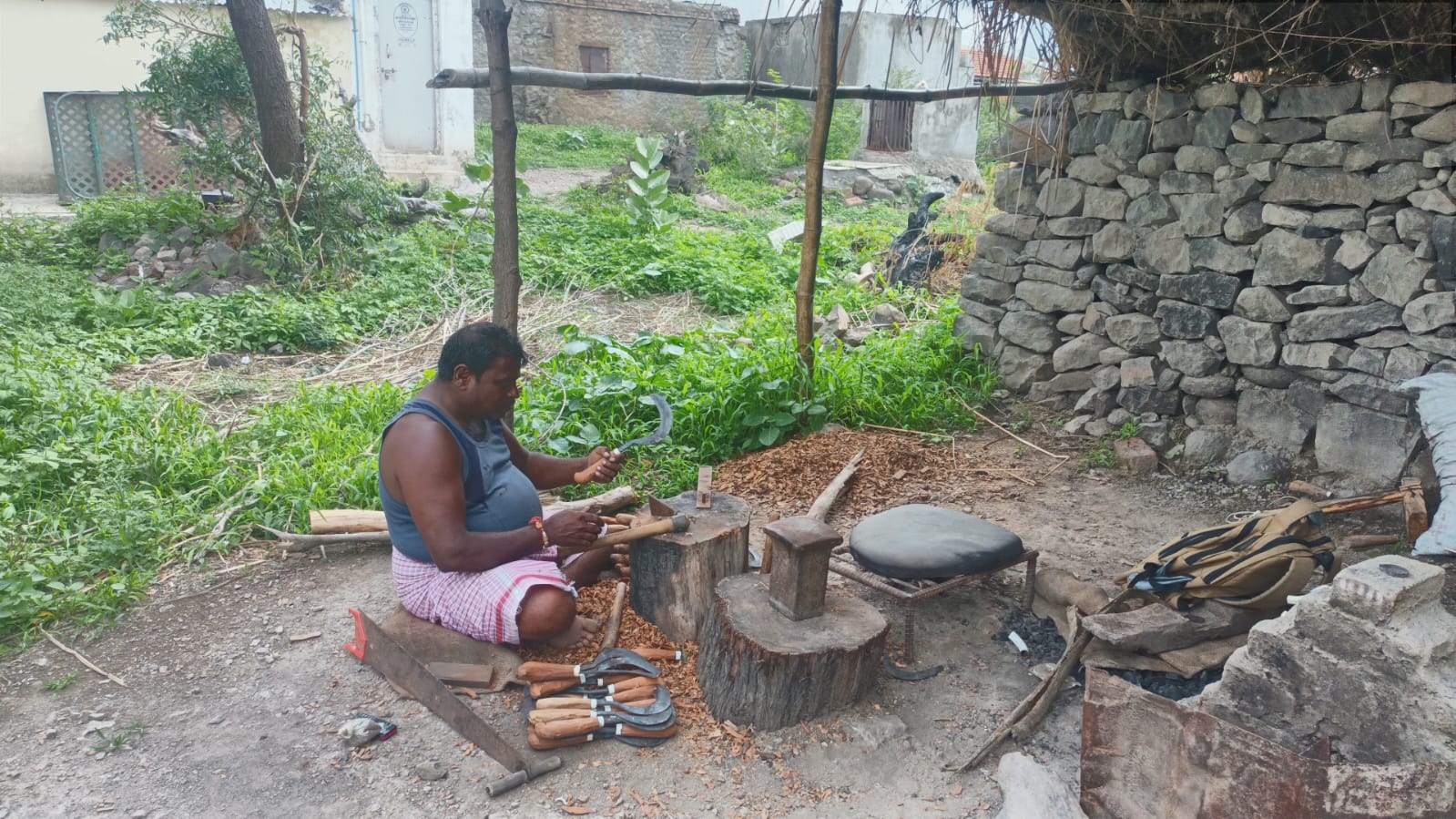
Support towards claiming forest rights
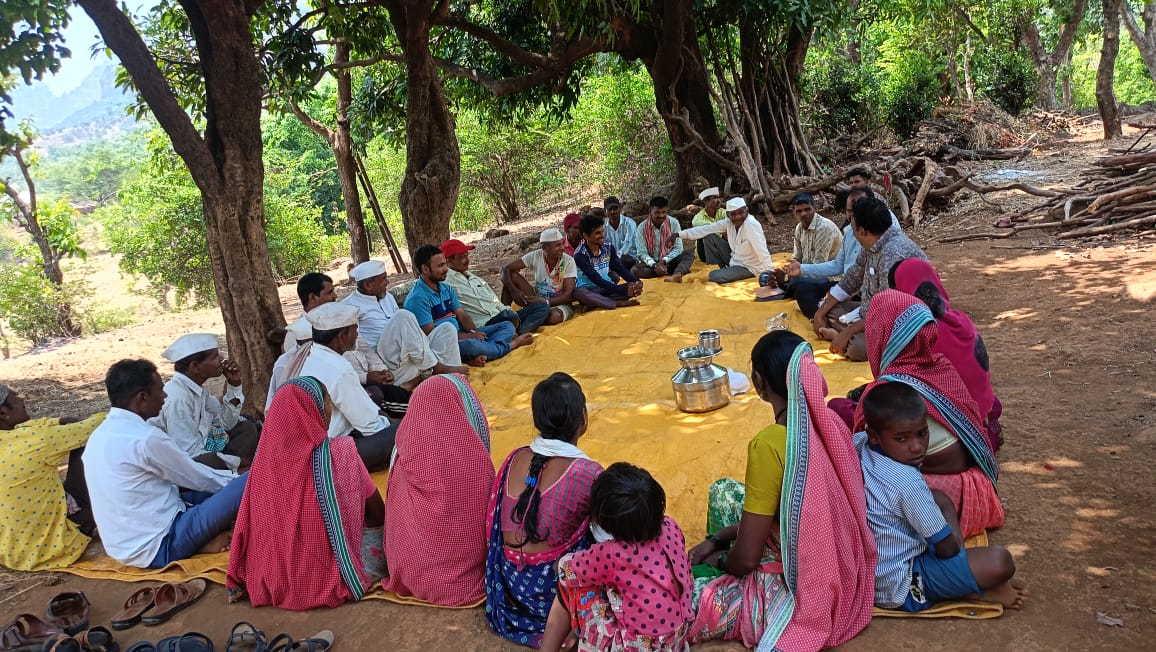

Supplementing livelihoods (NTFP)
ECONET believes that the livelihood security for the traditional forest dwellers and tribal in the areas surrounded by forests, is best achieved by conservation and protection of non timber forest produce (NTFP) resources within these forests. There is a tremendous potential in generating employment and sustainable economic security to the local tribal through forest resources – wild fruits, wild roots, medicinal plants, bio mass, wild flowers, bamboo, and so on. The local NTFP committee is the key institution the organisation engaged with in this context. There are different schemes and programmes launched by tribal development, forest, rural development and women & child development departments to promote livelihood options and opportunities based on the locally available resources. Youth and women are two categories that ECONET is working with through their mobilisation, collectivisation and skill building. Seeking partnership and collaborations outside of the government has also been one of the strategies adopted widely by the organisation. NTFP based livelihood complements the regular earning source of tribal through agriculture. ECONET has developed various models of entrepreneurship linking NTFP, agriculture and climate resilient practices. Women leadership has emerged at the forefront through these enabling and community centric initiatives.
CONTACT
- econet.pune@gmail.com
- 7420027755
 by Savitar Solutions Group